

.jpg?h=249&iar=0&w=374&rev=2cdc7327560f4c80b14a3bfd2be23cfa&hash=7E4E151DDFCBB0F5DCCB44342C224106)
We use cookies to improve your online experiences. To learn more and choose your cookies options, please refer to our cookie policy.

22 April, 2026
Earth Day in the Classroom: Why My Students Give Me Real Hope
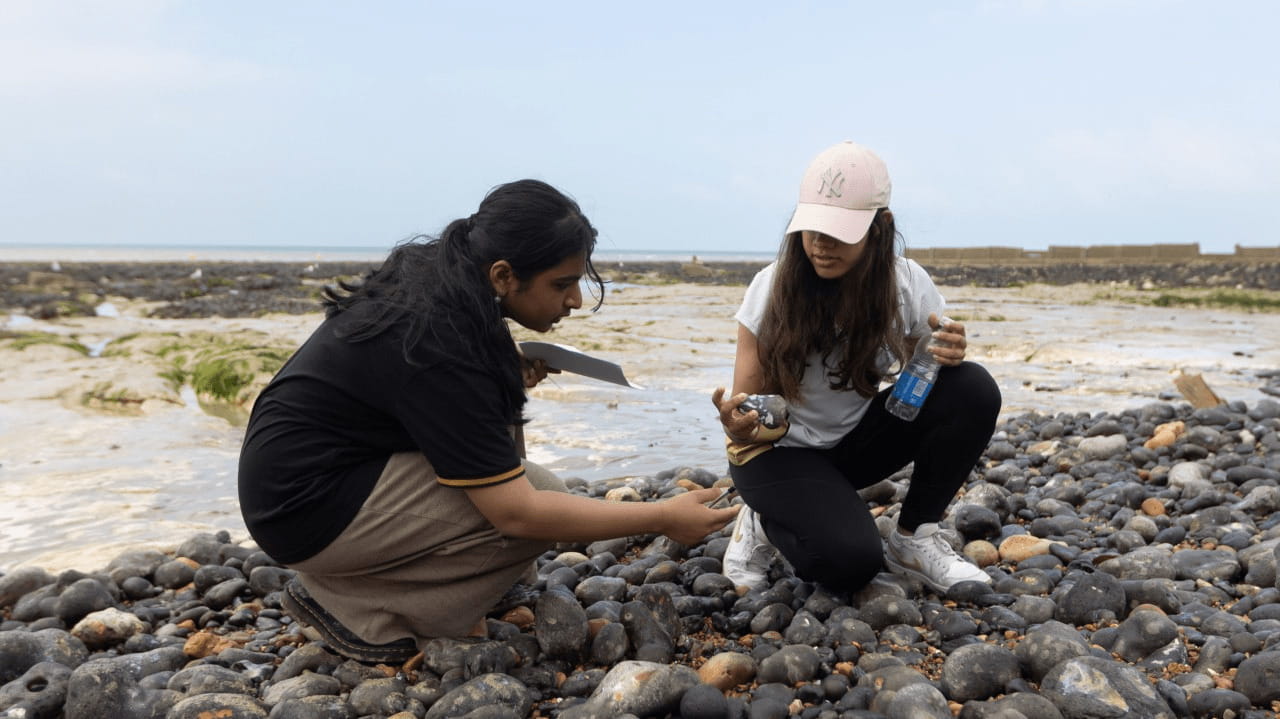
This Earth Day, I’m thinking about what’s happening in my classroom at Oxford International College Brighton
Over the past few weeks, my students have explored food, water and energy security, and sustainable urban settlements. They’ve questioned how cities can grow sustainably, debated resource use, and considered the real challenges of balancing development with environmental responsibility.
What stands out isn’t just what they know. It’s their urgency.
Our students come from across the world. For many, climate change isn’t theoretical. It affects air quality in their home cities. It shapes water access. It influences economic stability and migration patterns. When they speak about these issues, they often speak from lived experience, and that changes the tone of the lesson.
Recent events, including the conflict involving Iran, have brought this into even sharper focus. Disruptions to global energy supplies have pushed energy security back to the forefront of political and economic decision-making. In class, this has led to some really thoughtful discussion not just about securing energy in the short term, but about the long-term environmental benefits of transitioning to renewable energy.
Data-led Learning at OIC Brighton
In Geography at OIC Brighton, we move beyond awareness. Students interrogate data, test arguments, explore economic implications and weigh up difficult trade-offs. They’re not simply asked how they feel about climate change, but what the evidence shows and what responsible decision-making looks like.
The argument around addressing eco-anxiety is rooted in developing a sense of control. It is often driven by feelings of powerlessness, especially when people feel their actions make little difference. Addressing this means understanding both the issues and the solutions, alongside meaningful opportunities to take action.
Students are beginning to see that one way to respond to these challenges is through knowledge, critical thinking, and a clear understanding of both the issues and the possible solutions. Just as importantly, they are given opportunities to act, whether that’s through discussion, decision-making in lessons, or more practical involvement in things like the school’s eco-club.
They are learning how to:
- Analyse complex global systems
- Debate thoughtfully and respectfully
- Understand interconnected economies
- Balance environmental priorities with social realities
As part of Nord Anglia Education, our students are connected to a global network of peers. They understand that environmental responsibility doesn’t stop at national borders, and neither should collaboration.
This Earth Day, I feel optimistic.
Because the students in our classrooms are not waiting to be told what to think. They are asking sharper questions, challenging assumptions, and thinking beyond their immediate context.
And that’s where it starts to matter.
Related news
News image ![Why Psychology Is One of the Most Important Subjects for the Future | OIC Brighton - Why Psychology Is One of the Most Important Subjects for the Future]() Blog
Blog
 Blog
Blog Why Psychology Is One of the Most Important Subjects for the Future
We explore why Psychology remains one of the most valuable subjects for students, developing critical thinking, scientific literacy and a deeper understanding of human behaviour in a rapidly changing world.
News image ![Oxford International College Brighton Celebrates Outstanding GCSE Results - Oxford International College Brighton GCSE Results 2026]() News
News
 News
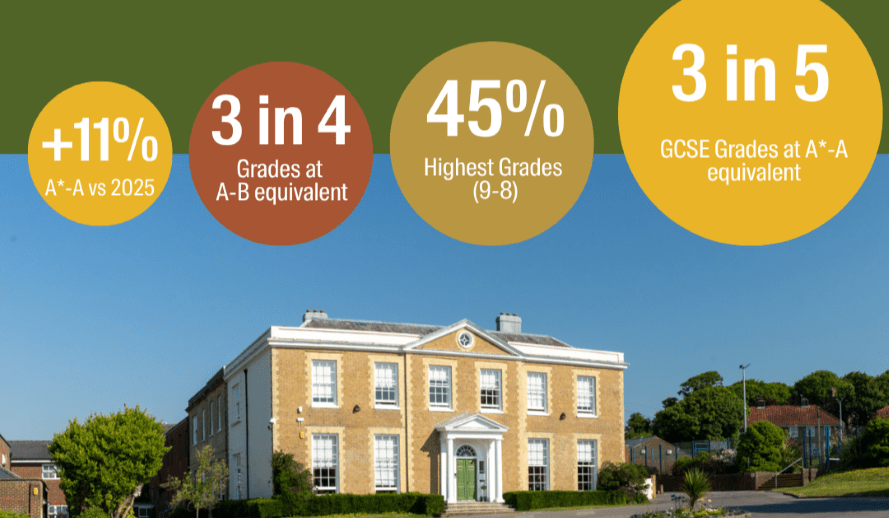
News Oxford International College Brighton Celebrates Outstanding GCSE Results 2026
Students at Oxford International College Brighton are celebrating an exceptional set of GCSE results, with 62% of all grades awarded at A*/A equivalent level and three quarters of grades awarded at the equivalent of A*-B.
News image Blog
Starting Boarding School Near Brighton | A Practical Guide for Families
Thinking about boarding school near Brighton? This guide covers the Ovingdean campus, what to expect, a before-you-arrive checklist and what to pack for life on the Sussex coast.
News image ![OIC Brighton Students Secure Places at Cambridge and Leading Global Universities Following Outstanding A Level Success | OIC Brighton - OIC Brighton Students Secure Places at Cambridge and Leading Global Universities]() Blog
Blog
 Blog
Blog OIC Brighton Students Secure Places at Cambridge and Leading Global Universities Following Outstanding A-Level Success
With one in three students achieving three or more A/A* grades and destinations spanning the UK, Europe, North America and Asia, the Class of 2026 has demonstrated outstanding academic achievement and ambitious futures.